 Most cannabis conversations start and end with THC and CBD. But the plant produces more than a hundred other cannabinoids, and two of them are quickly earning attention of their own: CBN and THCv.
At Green Grove Bud, we believe informed decisions start with science-backed information. This guide breaks down what CBN and THCv actually are, what the research does and does not show, and how to think about them without the hype.
What Are Minor Cannabinoids?
Cannabinoids are the compounds that interact with your body’s endocannabinoid system, a network of receptors that helps regulate sleep, mood, appetite and immune response. THC and CBD are the most abundant, which is why they dominate the conversation. CBN and THCv are called minor cannabinoids because they appear in much smaller quantities in the plant. Minor does not mean unimportant; it means the plant makes less of them, and products containing them are typically produced through targeted extraction or selective breeding.
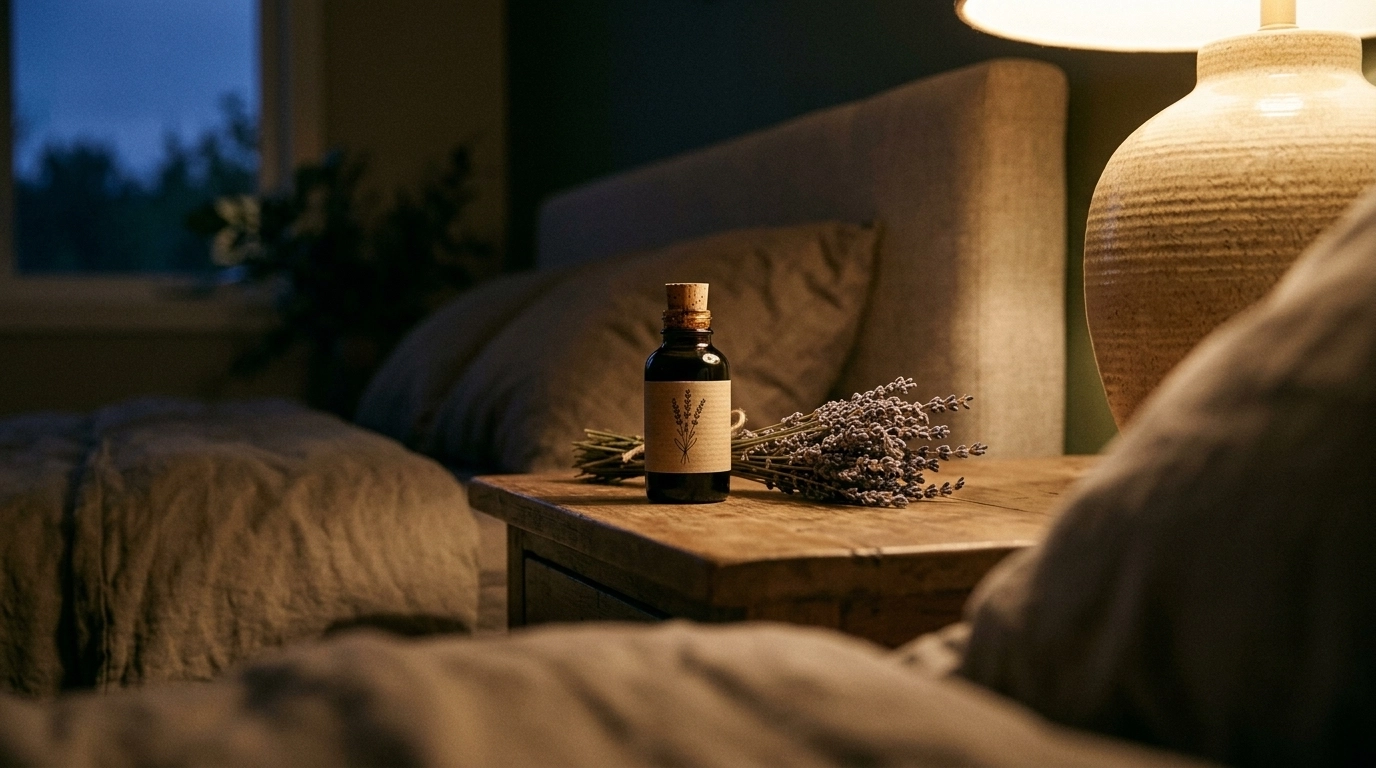
CBN: The Sleep Cannabinoid Under the Microscope
CBN forms when THC ages and oxidizes, which is why older cannabis tends to test higher in it. That origin story has fed a myth that CBN is simply degraded THC, but the compound itself has its own profile: it is non-intoxicating, or at most very mildly psychoactive, and it interacts more with CB2 receptors, which are tied to immune function and inflammation, than with the CB1 receptors behind THC’s high.
What the Research Actually Shows
A 2024 double-blind, randomized, placebo-controlled trial published in the journal Sleep tested CBN in adults with sleep disturbance. Participants taking 20 mg of CBN nightly reported fewer nighttime awakenings and less overall sleep disturbance compared with placebo, while sleep onset and daytime fatigue were not significantly affected. Notably, adding CBD to the dose did not improve the results.
That is a genuinely encouraging finding, but it is one trial. Systematic reviews of cannabinoid research for sleep, including a 2026 meta-analysis in Sleep, conclude that the evidence base is still too thin to call CBN a proven treatment for insomnia. The honest summary: early research is promising, larger trials are needed, and anyone marketing CBN as a guaranteed sleep cure is getting ahead of the science.
THCv: Energy, Focus and Open Questions
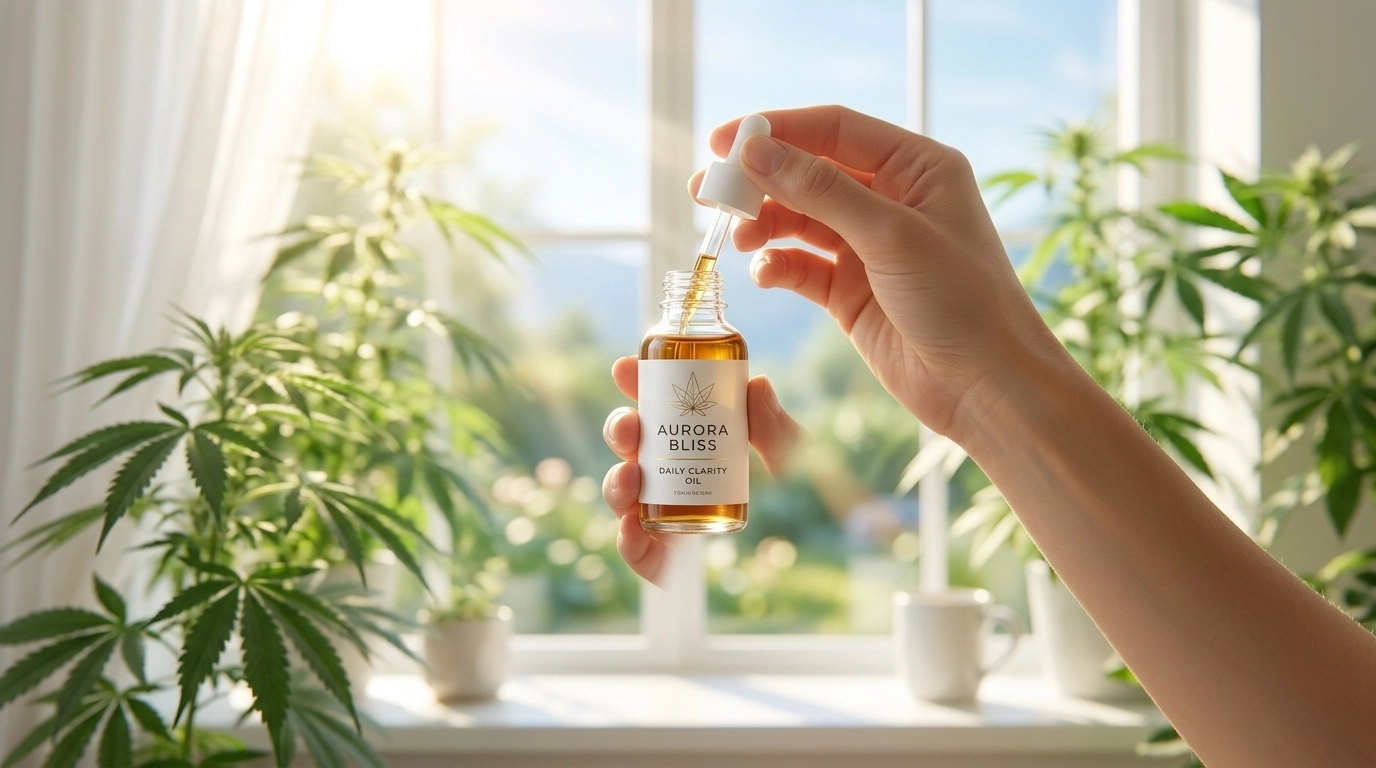
THCv is structurally similar to THC, but its effects differ in an interesting way. At low doses it acts as a CB1 receptor antagonist, meaning it can actually dampen THC’s intoxicating effects and produce a clear-headed, stimulating experience. At higher doses the picture changes, and THCv can become intoxicating itself, which is why dose context matters so much in the research.
Appetite and Metabolism: The Best-Studied Angle
THCv is best known for suppressing appetite, the opposite of the classic munchies association. The most rigorous human research comes from GW Pharmaceuticals, whose Phase 2 trial of a THCv compound in people with type 2 diabetes found improvements in fasting plasma glucose and insulin sensitivity, along with reduced appetite.
Beyond that, evidence for weight management, anticonvulsant effects and other proposed benefits comes mostly from preclinical and small-scale studies. As with CBN, the responsible takeaway is interest, not certainty.
How to Shop Smart for CBN and THCv Products
The minor cannabinoid market is growing fast, and product quality varies widely. A few habits will protect you:
- Check the COA. A Certificate of Analysis from an independent lab confirms the cannabinoid content and screens for contaminants. If a brand won’t share one, that is your answer. Our guide to reading cannabis lab results walks you through it.
- Watch the dose math. CBN research used 20 mg nightly; many gummies contain far less, so read labels rather than trusting buzzwords.
- Prefer sustainable sourcing. Producers who use eco-conscious cultivation and packaging tend to be more transparent across the board.
Choosing Between CBN and THCv
The two compounds suit different moments. CBN fits an evening wind-down routine for people curious about non-intoxicating options for sleep support, while THCv’s low-dose profile appeals to those seeking daytime clarity without heavy sedation. Whichever you explore, start low and track how you feel. Cannabis affects everyone differently, and personal observation over time tells you more than any marketing claim. If you take medication or manage a health condition, talk with a healthcare professional first; cannabinoids can interact with other treatments, and the FDA has not evaluated these products.
The Takeaway
CBN and THCv show how much nuance the cannabis plant still holds beyond THC and CBD. The science is real but early: one solid CBN sleep trial and one diabetes trial for THCv do not make proven treatments, and claims that overreach are common in this corner of the market. At Green Grove Bud, we will keep following the research as it matures. In a stigma-free community, asking better questions is how we all learn: and minor cannabinoids are a great place to start. Disclaimer: This article is educational and reflects research available as of November 2026. These statements have not been evaluated by the FDA, and nothing here is medical advice; consult a healthcare professional before starting any new wellness regimen.